Garden of Ink
墨庭院


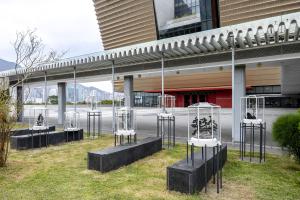
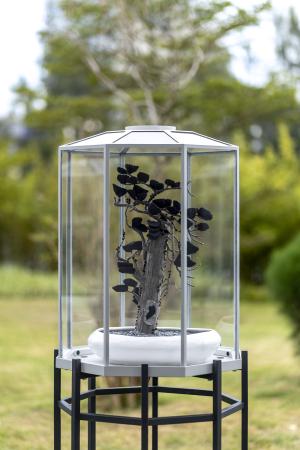
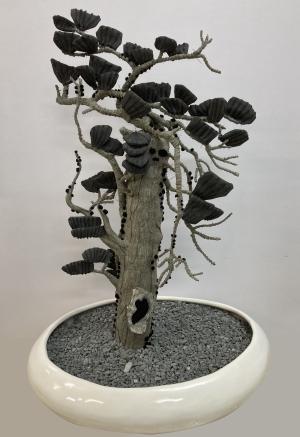
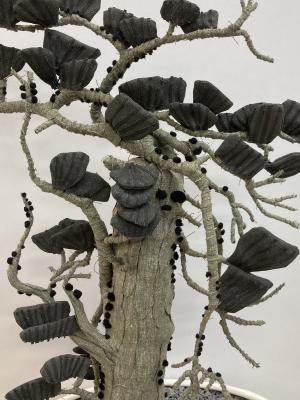
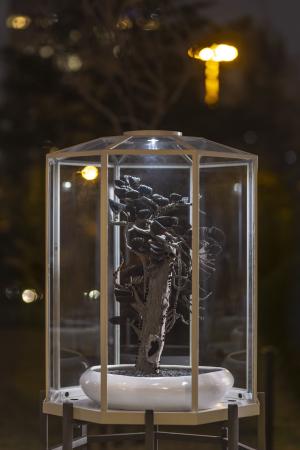
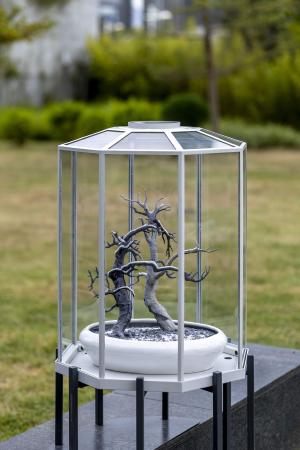
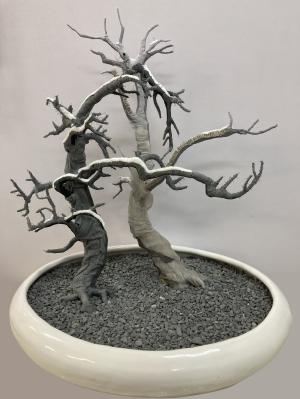
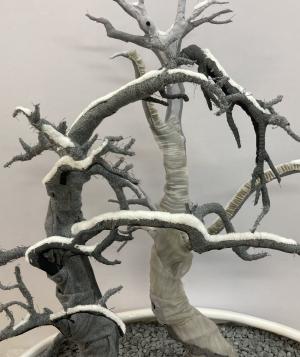
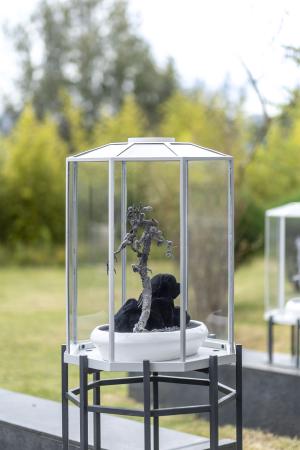
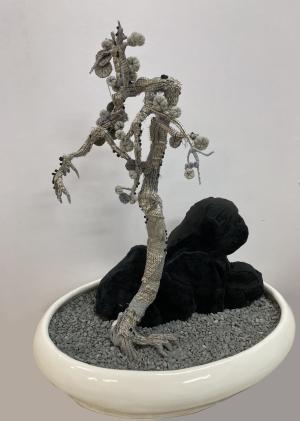
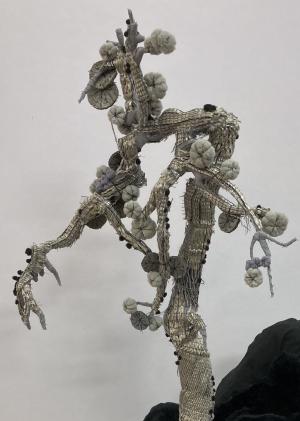
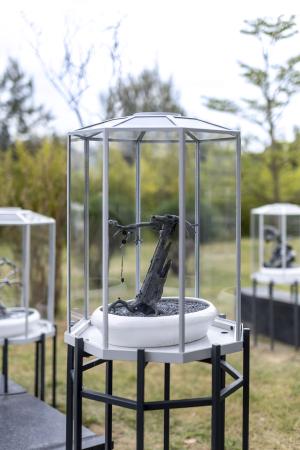
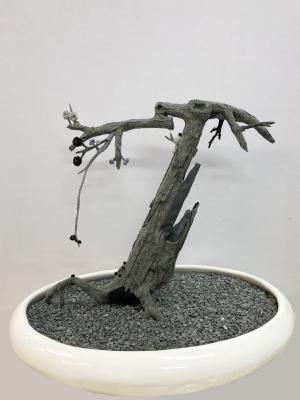
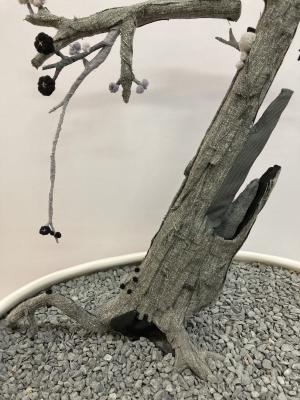
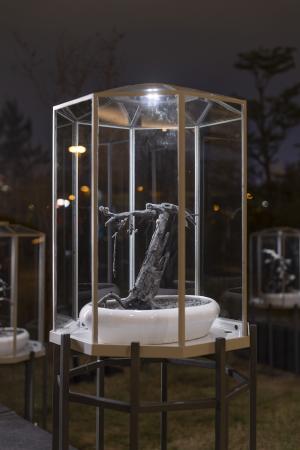
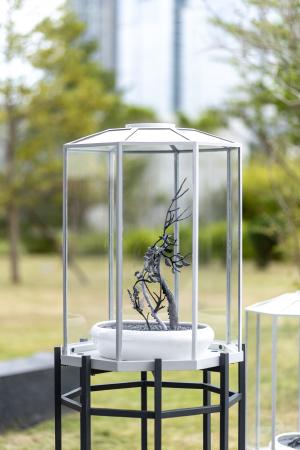
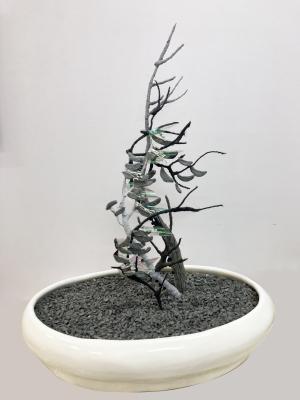
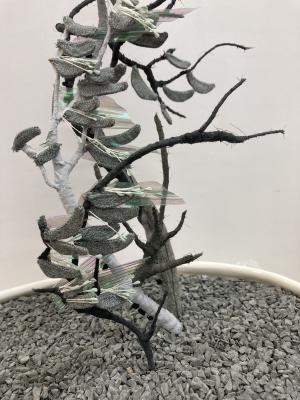
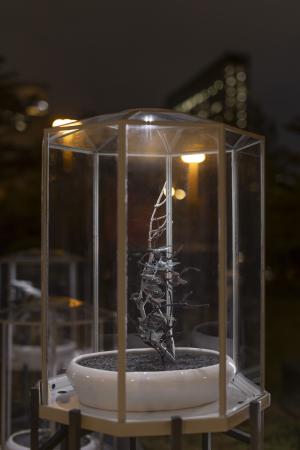
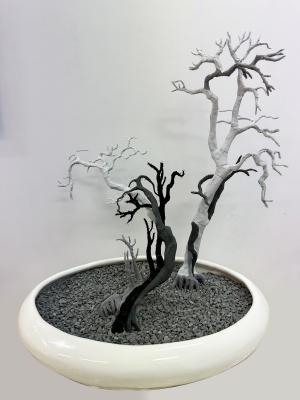
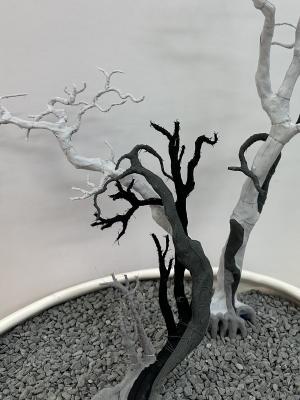
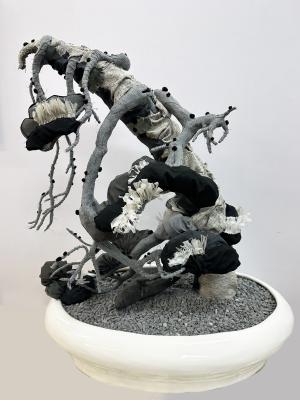
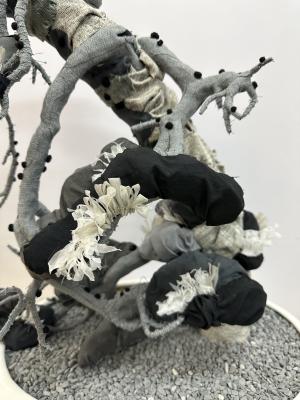
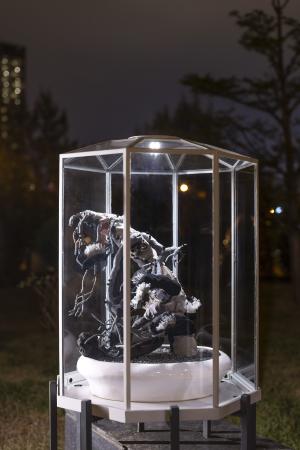
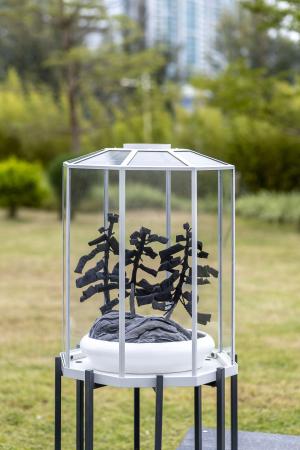
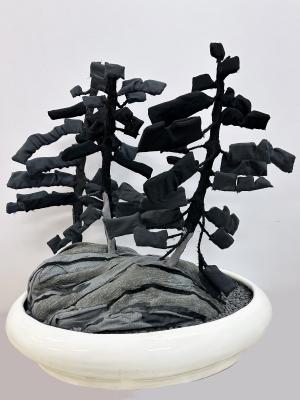
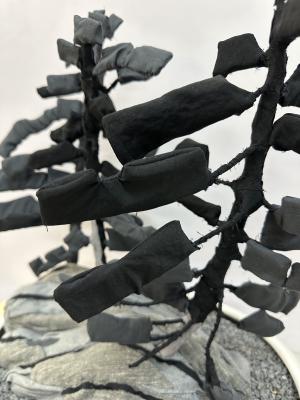
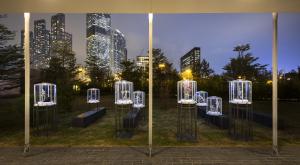
作品啟發自故宮博物院藏品中八幅以樹為題的文人畫,分別出自明代(1368-1644 年)李永昌和項聖謨,清代(1644-1911年)的朱耷、王翬、任頤、趙之謙,以及近現代的程璋和傅抱石。 畫作呈現的樹木千姿百態,既有粗壯的松樹、高雅的柳枝葉,亦有傲然挺立於寒冬的古樹。畫風亦各具特色——傅抱石筆法粗獷,趙之謙以書法入畫;朱耷筆下的樹木蒼勁,蘊含家國情懷;任頤則借樹表現對自然現象的觀察與想像。 藝術家仿若置身水墨山林間,仔細觀察畫家的筆法與樹木的形態,感受作品帶出的意境。再以現代雕塑手法重新塑造樹的形象,在平面轉化成立體的過程中,試圖重新詮釋古樹的真實形態。 雕塑以布料為主要媒介,模仿水墨色調和紋理,柔軟的觸感令高雅的中國書畫作品增添親切感。作品置於庭園座椅旁,融入現代公共空間之中,與民同樂。
The work is inspired by eight literati paintings featuring trees from the Palace Museum’s collection, created by artists across centuries, including Li Yongchang and Xiang Shengmo from the Ming dynasty (1368-1644); Zhu Da, Wang Hui, Ren Yi, and Zhao Zhiqian from the Qing dynasty (1644-1911); and Cheng Zhang and Fu Baoshi from the modern period. The trees portrayed in these paintings appear in a rich variety of forms. From robust pines and elegant willow branches, to ancient trees braving the winter cold, each painting brings a distinct artistic style: Fu Baoshi’s brushwork roars with boldness; Zhao Zhiqian blends calligraphy into his compositions; Zhu Da’s gnarled trees evoke sentiments of home and country; while Ren Yi observes nature with wonder and imagination. The artist imagines herself between the ink-painted landscapes, examining closely the gestures of each brushstroke and the spirit within each tree, and allowing their quiet power to guide her hands. Through the language of contemporary sculpture, she reinterprets the ancient trees - not as flat images, but as living forms. Fabric serves as the primary medium, echoing the tones and textures of Chinese ink painting. Its softness lends a sense of gentle intimacy to the refined elegance of Chinese art. Placed beside a garden bench, the sculpture integrates into the modern public space, offering a moment of quiet pleasure.
Website:
Media:
https://news.now.com/home/local/player?newsId=624671
https://hk.on.cc/hk/bkn/cnt/news/20251104/bkn-20251104172927735-1104_00822_001.html
https://hkcd.com/content_app/2025-11/04/content_8722932.html

